Winter Blues: Low Sunlight, Mood, and What Can Help


Winter: What it Do To Us?
This winter has been extremely cold and unusually dark - and many people are feeling it emotionally. If you’ve noticed lower energy, sadness, irritability, or lack of motivation, you’re not alone. Reduced daylight can disrupt the body’s internal clock and brain chemistry involved in mood regulation. This increases the risk for seasonal mood changes and Seasonal Affective Disorder (SAD).

Why Low Sunlight Impacts Mood.
Shorter daylight exposure is linked to circadian rhythm disruption (sleep-wake cycles get off track), changes in melatonin and serotonin levels (which influence sleep and mood), and seasonal depression patterns (or SAD), especially in vulnerable individuals. These biological shifts can contribute to fatigue, low mood, poor concentration, and social withdrawal. (Levitan, 2007; Terman et al., 1998).
Common Signs of Seasonal Mood Dips.

You may notice:
Low mood, sadness, or irritability
Fatigue or low motivation
Oversleeping or difficulty waking up
Increased appetite or carbohydrate cravings
Trouble focusing
Social withdrawal or pulling away
If these symptoms interfere with daily functioning, obtaining early support matters.
Effective Techniques to Combat the Winter Blues.
I. Light Therapy: A Proven Mood Booster.

Bright light therapy is a first-line, research-supported treatment for winter-related depression. The best practice for this technique is to use a 10,000 lux light box for 30 minutes each morning. Consistent daily use is imperative, as studies show that the intensity and timing of light therapy can significantly improve depressive symptoms related to seasonal changes. (Terman et al., 1998; AAFP Clinical Summary).
Tips for Safe Use:
Use the light box soon after waking up.
Keep the light slightly off to the side.
Do not stare directly into the light.
Talk to a provider first if you have been diagnosed with Bipolar Disorder, eye conditions, or light sensitivity.
II. Vitamin D: A Helpful Winter Supplement.
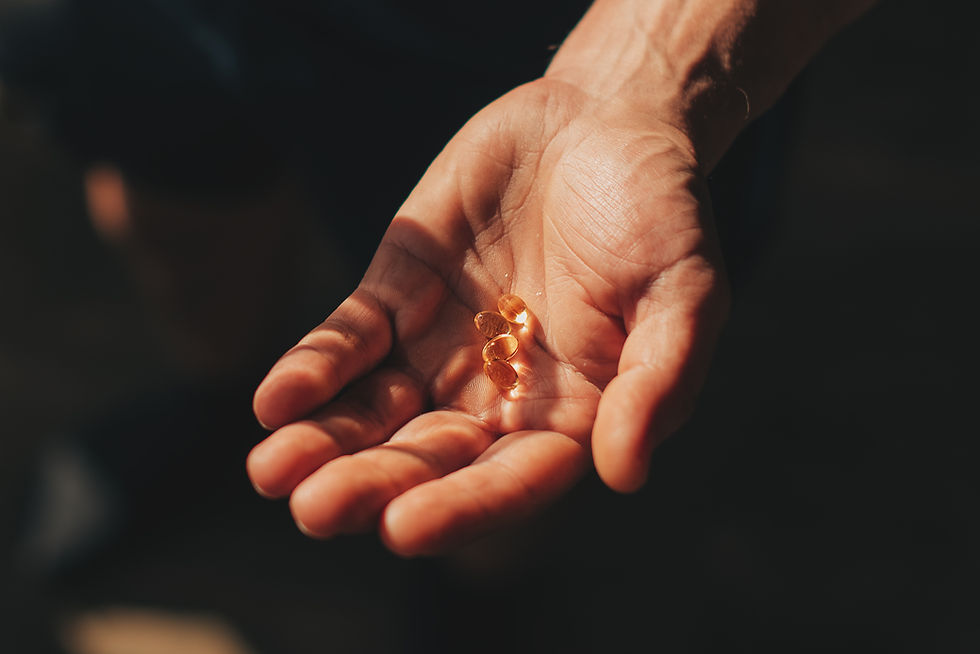
Vitamin D plays a substantial role in brain function and mood regulation, and winter sunlight is often insufficient to maintain healthy levels. Research suggests that vitamin D supplementation can improve depressive symptoms, especially in individuals who are deficient. (Ghaemi et al., 2019; Srifuengfung et al., 2020; Xie et al., 2021). The best practice for this technique is to ask your healthcare provider about a 25(OH)D blood test, use supplements based on professional guidance, and avoid excessive dosage without medical supervision.
Extra Supports That Make a Difference.
Pair light therapy and vitamin D with:
10-20 minutes of daylight exposure daily.
Consistent sleep schedule.
Brief daily movement (walk, stretch, light exercise)
Intentional social connection
Therapy, especially CBT for seasonal depression (shown to help relapse). (Rohan et al., 2015)

Try this 14-day Winter Mood Reset
Morning light therapy (10,000 lux, 30 min).
Vitamin D plan (supplement or lab check).
10 minutes outside during daylight.
Same wake-up time daily.
One social connection per day.
If you or some one you know are experiencing symptoms and would like to get therapeutic help, complete our Client Screening Form to schedule an appointment to get the support you need.
References
*Ghaemi, S., Zeraattalab-Motlagh, S., Jayedi, A., & Shab-Bidar, S. (2024). The effect of vitamin D supplementation on depression: a systematic review and dose-response meta-analysis of randomized controlled trials. Psychological Medicine, 15, 1-10.

*Gilens, J. F., Hoss, M., Lyon, C., & Desanto, K. (2021). Does Light Therapy Decrease Depression in Older Adults? American Association of Family Physicians, 4, 417-418.
*Levitan R. D. (2007). The chronobiology and neurobiology of winter seasonal affective disorder. Dialogues in clinical neuroscience, 9(3), 315–324.
*Rohan, K. J., Mahone, J. N., Evans, M., Ho, S.-Y., Meyerhoff, J., Postolache, T. T., & Vacek, P. M. (2015). Randomized Trial of Cognitive-Behavioral Therapy Versus Light Therapy for Seasonal Affective Disorder: Acute Outcomes. The American journal of psychiatry, 172(9), 862–869
*Srifuengfung, M., Srifuengfung, S., Pummangura, C., Pattanaseri, K., Oon-Arom, A., & Srisurapanont, M. (2023). Efficacy and acceptability of vitamin D supplements for depressed patients: A systematic review and meta-analysis of randomized controlled trials. Nutrition, 108, 111968.
*Terman, J. S., Terman, M., Schlager, D., Rafferty, B., Rosofsky, M., Link, M. J., Gallin, P. F., & Quitkin, F. M. (1990). Efficacy of brief, intense light exposure for treatment of winter depression. Psychopharmacology bulletin, 26(1), 3–11.
*Xie, F., Huang, T., Lou, D., Fu, R., Ni, C., Hong, J., & Ruan, L. (2022). Effect of vitamin D supplementation on the incidence and prognosis of depression: An updated meta-analysis based on randomized controlled trials. Frontiers in public health, 10, 903547.
SAW Counseling Center
786 King George Rd, Suite Fords, NJ 08863
info@SAWcounseling.com | 732-902-9154 | www.SAWCounseling.com
Comments